
Describe the property
Send the location, symptoms, equipment and access details. State whether the work is a repair, replacement or planned project.
Need duct cleaning in St. Marys? Tell us which air ducts, dryer vent or ventilation equipment need attention. A responding provider will confirm coverage and availability before booking.
Get A Free QuoteCompare whole-system scope for supply and return ducts, including trunk lines, branches and registers. Ask how negative-pressure collection and brushing will be used and whether before-and-after photos are included.
View scopeScope the complete route from dryer connection to exterior hood, including concealed or horizontal sections. Ask whether the hood is cleared and airflow is measured before and after the work.
View scopeAsk which components are included: blower assembly, evaporator coil and heat-exchanger surfaces. The equipment layout determines access, cleaning method and how controls and reassembly should be handled.
View scopeIdentify whether the work includes the HRV core, screens and condensate drain, plus bathroom and range-hood exhaust runs. Confirm whether exterior caps are part of the scope.
View scopeConsider treatment only after discussing the odour source and cleaning scope. Ask for the product label, permitted application, ventilation directions and any re-entry guidance before deciding.
View scopeAsk how suspected leaks will be located and whether both supply and return ducts are inspected. Specify damaged, crushed or detached sections so the proposed repair can match the condition.
View scopeDefine the systems, areas and make-up air equipment to be included. Compare access and scheduling plans, plus the written scope and photographs needed for property records.
View scopeCommercial ventilation scope varies with the building, equipment and operating schedule. For a St. Marys property, identify the areas served, system types and any make-up air equipment, then share available plans or maintenance records. Ask which duct sections and components are included, how access and operating hours affect the work, and what photo and written documentation will be provided. These details help owners, tenants and property managers compare proposals against the actual systems and their record-keeping needs.
Compare whole-system scope for supply and return ducts, including trunk lines, branches and registers. Ask how negative-pressure collection and brushing will be used and whether before-and-after photos are included. Scope the complete route from dryer connection to exterior hood, including concealed or horizontal sections. Ask whether the hood is cleared and airflow is measured before and after the work. Ask which components are included: blower assembly, evaporator coil and heat-exchanger surfaces. The equipment layout determines access, cleaning method and how controls and reassembly should be handled.
Identify whether the work includes the HRV core, screens and condensate drain, plus bathroom and range-hood exhaust runs. Confirm whether exterior caps are part of the scope. Consider treatment only after discussing the odour source and cleaning scope. Ask for the product label, permitted application, ventilation directions and any re-entry guidance before deciding.
Ask how suspected leaks will be located and whether both supply and return ducts are inspected. Specify damaged, crushed or detached sections so the proposed repair can match the condition. Define the systems, areas and make-up air equipment to be included. Compare access and scheduling plans, plus the written scope and photographs needed for property records.
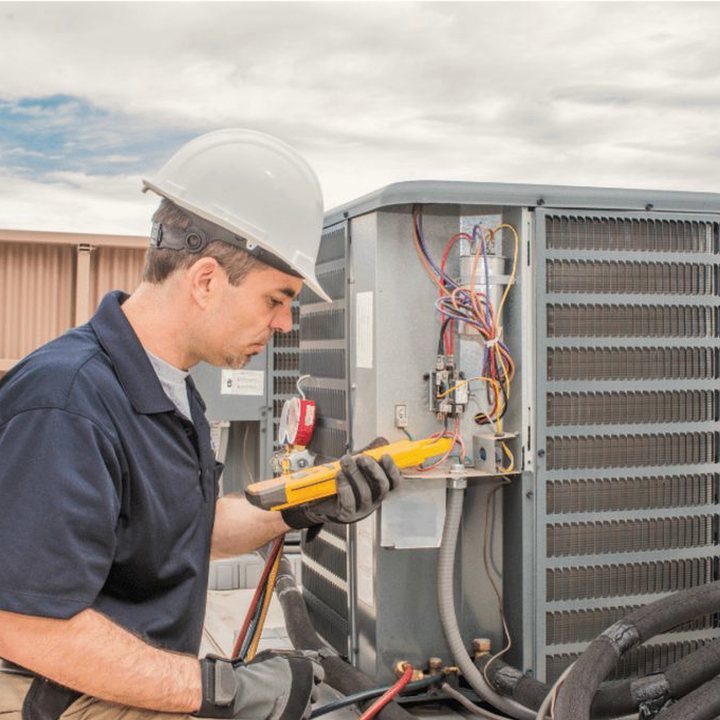
A dryer vent’s scope depends on the complete route from the appliance connection to the exterior hood. Long horizontal sections, bends, concealed runs and the termination can all affect access and airflow. For a St. Marys job, photograph the dryer connection and outside hood if accessible, and note any known route or recent changes. Ask whether the proposed cleaning reaches the full run, services the hood and includes airflow measurements before and after, so the work can be compared with the actual vent layout.
Explore this serviceSend the location, symptoms, equipment and access details. State whether the work is a repair, replacement or planned project.
The request is reviewed so the responding provider can clarify the work, property access and service coverage.
Agree the provider identity, qualifications, written scope, pricing and visit window directly. Sending a form does not confirm an appointment.
Ask how suspected leaks will be checked and whether the inspection can reach ducts behind additions, in chases or near the basement. Photograph visible joints and note rooms where airflow or dust concerns recur. Finding the location first helps distinguish a repair from a guess and clarifies whether concealed access or further inspection is needed.
Describe whether an odour is persistent, seasonal or linked to a particular room or activity. Photograph visible residue if present and note when it appears. These observations can help assess whether duct surfaces are a plausible source or whether another investigation is needed. Avoid assuming that every musty, pet or smoke odour can be resolved by applying a product in the ducts.
Long horizontal runs and multiple turns can require a different approach from a short, direct vent. Ask how the route from the dryer connection to the hood will be traced and cleared, including any basement or concealed section. Confirm that the hood itself will be checked, since an uncleared termination can still restrict the completed run.
An evaporator coil may be cleaned in place when its construction and access allow it. Ask what portion of the coil will be reached, how cleaning materials and runoff will be managed, and whether disassembly is proposed. These details help compare scopes and identify whether the actual equipment layout calls for additional access rather than assuming every coil can be treated alike.
Ducts routed through older construction may have different materials, joints or access limitations from newer runs. Share any known details and ask how brush stiffness and cleaning pressure will be selected for the system found on site. This helps avoid treating every duct as identical and clarifies whether inspection or additional access is needed.
Use the form to describe the property, the symptoms and the work requested. For Stratford, Thamesford, Sebringville, Kirkton, include your postal code so local coverage can be checked.
For a property in St. Marys and Perth, describe the work and access details in the form. The listed locations do not confirm a provider's travel range or availability.